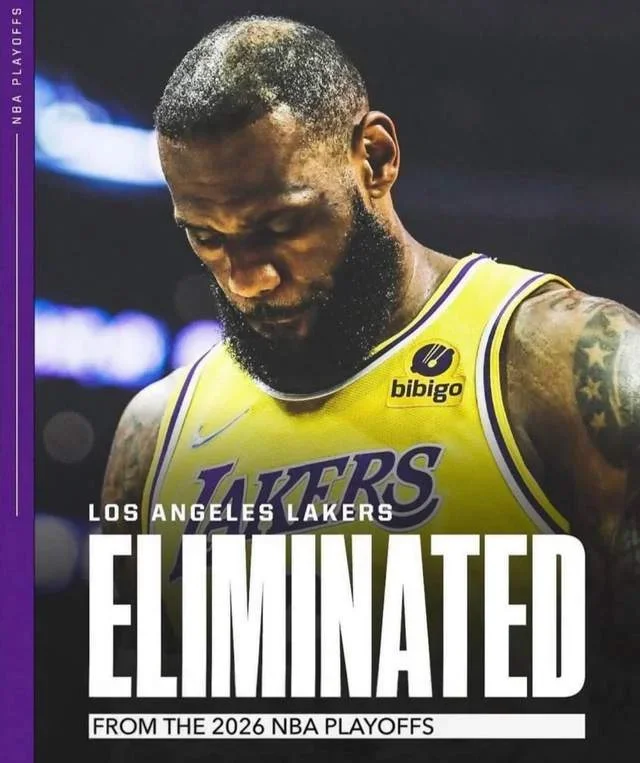
At 41, LeBron James stood outside the locker room at Crypto.com Arena following the Lakers’ 110-115 Game 4 loss to the Oklahoma City Thunder, which sealed a 0-4 Western Conference semifinals sweep. Instead of glancing at stat sheets, he quietly touched the No. 23 on his jersey. It wasn’t a crushing defeat, but a quiet farewell after burning every bit of fuel left.
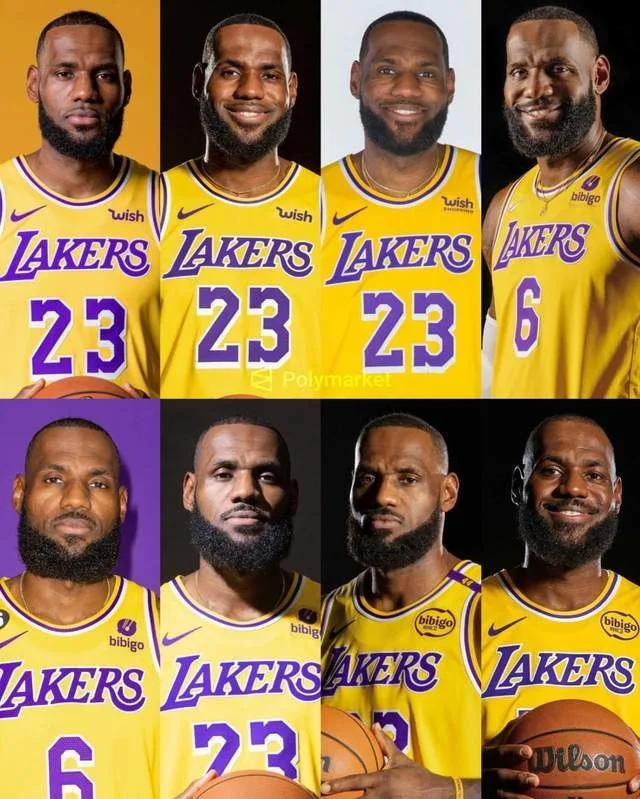
When asked about his future, James didn’t dodge or promise a return. “I don’t know,” he said. It wasn’t an evasion—it was the honest exhale of a warrior after 23 seasons. He has never voluntarily discussed retirement, but this time, he acknowledged the unknown more candidly than ever. He won’t make a decision while emotions are raw. He plans to go home, sit down with his wife, daughter, and his son Bryce—who is about to enter the University of Arizona—and talk about life, basketball, and what “keep going” truly means.
He reflected on the 2020 championship, the faith he brought to the Lakers, and the ultimate footnote of his career. He did it—lifted a dormant franchise back to glory. But this season, he didn’t start as the leader. He missed training camp, preseason, and didn’t play in the first 14 games. He became a third option, a role he’d never occupied. Yet he didn’t complain or back down. He proved himself again through experience, will, and the discipline of arriving at the arena at 8 a.m. every day.
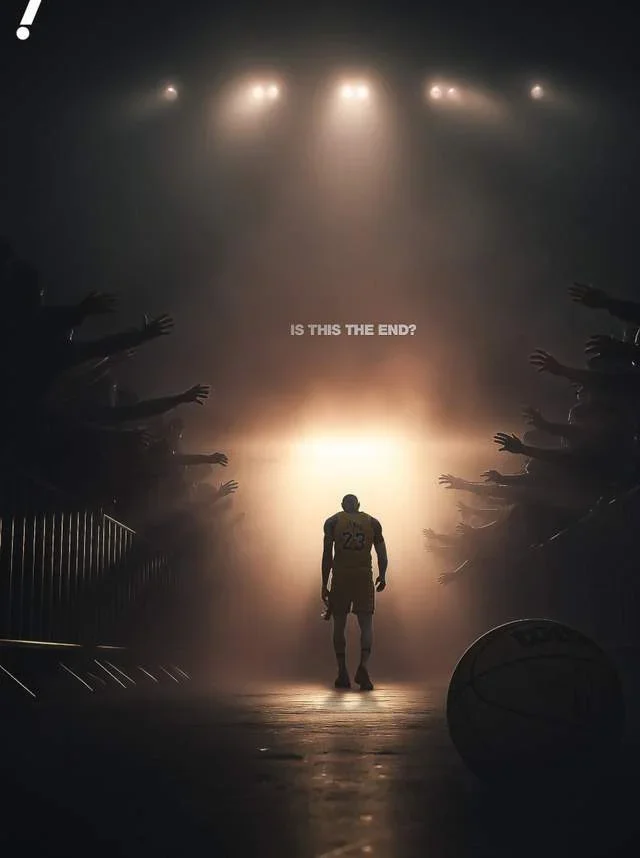
He watched Austin Reaves transform from a raw rookie into the team’s backbone, saw young players step up during injury waves, and witnessed a team written off by many fight through the Rockets series. He called them “resilient”—not just a label, but a survival code he taught them through action in the locker room.
When asked what else he still needs to prove, he smiled. “I’ve seen it all,” he said. He doesn’t need numbers or titles to define his value. What he chases now is the 5:30 a.m. warmup, the dive for loose balls, the silence after ice baths, and the sound of saying “let’s go again” to teammates. What he loves has never been the result—it’s the process.
He no longer plays for outside expectations. He plays for his family, and for the game itself. He’s no longer asking “how many more years can I play?” but rather, “Am I still willing to give everything every morning for this team and these young guys?”
The answer won’t be found in a press conference. It lives in the moment he walks into the gym each day. He hasn’t finished telling his story. The next chapter will be written with his family.