
Sports have long been considered a sanctuary for transcending hatred and bridging divides. Tennis courts, in particular, have symbolized the sport’s gentler side through handshakes, hugs, and mutual respect. However, the shadow of geopolitics now looms large over the baseline. From Ukrainian and Russian players refusing to shake hands after matches to Iranian athletes withdrawing in protest against Israel, and international organizations imposing restrictions on Russian and Belarusian players, tennis is being reshaped by political forces. Athletes are increasingly forced to navigate a painful choice between national allegiance and sportsmanship.
Last Saturday, during the J60 junior tennis tour in Turkey, a dramatic incident unfolded: 16-year-old Iranian player Hanna Shabanpour withdrew from the women’s doubles final, refusing to face a combination of Israeli and Russian players. Her decision was not impulsive but a public protest against the ongoing tensions between Iran and Israel. Similarly, Jordan’s U19 basketball team has also withdrawn from international events for the same reasons. The neutrality of sports crumbles under the weight of real-world conflicts.
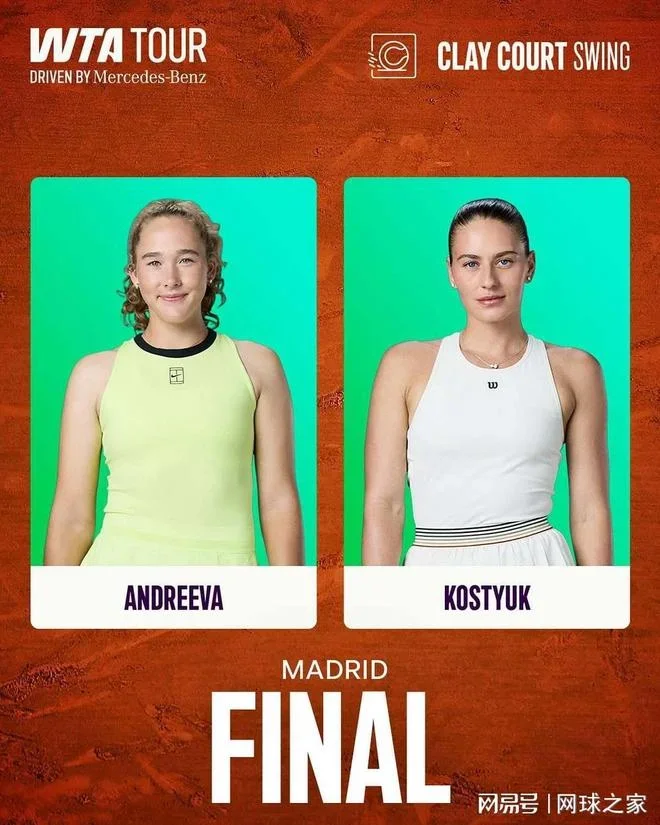
In professional tennis, the standoff between Ukrainian and Russian players has become routine. Ukrainian player Marta Kostyuk has taken the most vocal stance. After defeating Russian player Mirra Andreeva in the final of the WTA 1000 Madrid Open, Kostyuk showed no interaction or handshake with her opponent. She later stated: “Among all Russian players, the only one I would shake hands with is Daria Kasatkina. She changed her nationality and publicly spoke out against the war. But many players who changed their nationality never opposed the war or spoke for Ukraine. My principle will not waver.”
Before the Madrid tournament, Kostyuk had already made clear she would not shake hands with Andreeva. “I will not shake hands with any Russian player who has not publicly condemned the war in Ukraine,” she said firmly in an interview. “This is not personal; it’s a matter of principle. When your homeland is invaded, silence is complicity. I cannot pretend nothing is happening. I must use my platform to speak for my country.” For her, tennis is no longer just a sport; it has become a battlefield to defend national dignity.
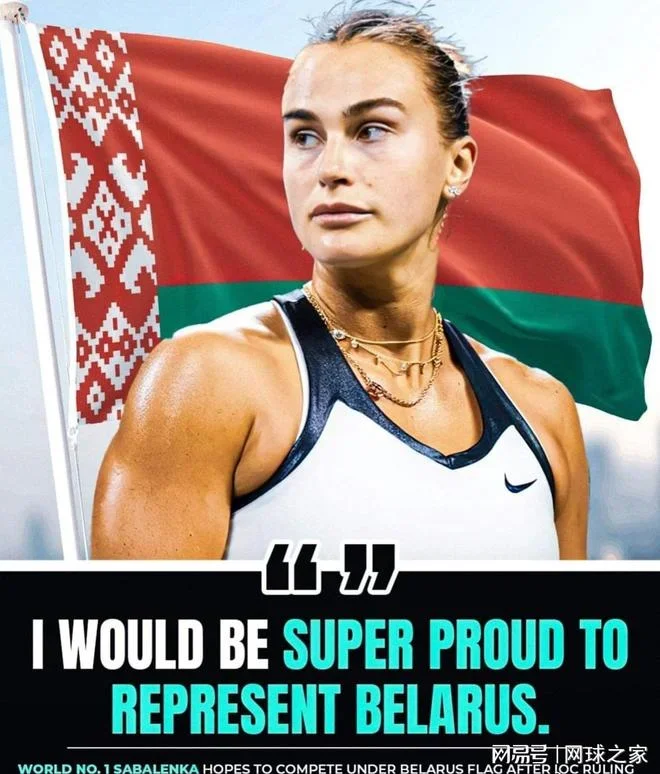
The politicization of tennis also manifests in the divergent policies of international organizations. The International Olympic Committee recently lifted neutral restrictions on Belarusian athletes, allowing them to compete under their national identity. However, the International Tennis Federation (ITF) quickly clarified its stance: it will not change its restrictions on the tennis associations of Russia and Belarus. Players from both nations must still compete as neutrals, without flags or national names, and are banned from team events like the Davis Cup and Billie Jean King Cup.
“The IOC’s announcement does not alter our existing position regarding the tennis associations of Russia and Belarus,” the ITF stated. “The relevant restrictions remain in effect.” This policy divergence highlights the awkward fragmentation of sports governance in the face of geopolitics. World No. 1 Aryna Sabalenka of Belarus expressed her desire to see her country’s flag return: “I wish we could get our flag back. I want the children of Belarus to feel proud of their country, no matter where they come from, they can reach the top.” However, in WTA and ITF events, she still competes as a neutral athlete.
From the Russia-Ukraine conflict to the Israel-Palestine tensions, geopolitical strife is steadily eroding the purity of tennis. We see athletes being labeled with national identities, their individual fates entangled in power games; we see handshakes replaced by cold stares; we see different international organizations offering conflicting rules, creating a lack of unity. Tennis was meant to be a language beyond politics, but it has now become an extension of conflict.
Does this mean that sports must completely submit to politics? Not necessarily. The case of Daria Kasatkina provides a different path: an athlete who bravely stands against war and upholds humanitarian principles can still earn the respect and reconciliation of opponents. Kostyuk’s willingness to shake hands with her proves that while positions may be opposed, humanity and conscience can still connect. Sports should not be a tool of politics, but athletes should not be denied the right to express their conscience. When war ravages their homeland, demanding that players “only talk about the game” is an unattainable expectation. If you put yourself in their shoes, you might understand better.
Geopolitics may continue to tear apart the tennis court for a long time, but the most valuable aspect of tennis is never absolute neutrality. It is the belief that, amid competition, skill can still be appreciated, opponents can be respected, and peace is still worth hoping for. One day, we hope that a handshake between a Ukrainian and a Russian player on the net will not make headlines but will be a natural gesture of sportsmanship.